Boundaries Are Not Walls: How to Protect Your Peace and Expand Your Presence
Learning to protect your peace is a powerful skill. It’s not about isolating yourself or shutting others out. Instead, it’s about setting boundaries, those invisible lines that say, “This is who I am. This is what I allow. This is where I end, and you begin.”
Boundaries are not selfish; they show self-respect. They don’t push people away; they help you keep your energy where it belongs. Once you understand this, you stop feeling guilty for saying no. You stop confusing peace with distance and begin living more clearly.
Healthy Boundaries: The Foundation of Peace
Many people never learn what healthy boundaries look like. We often grow up thinking we have to do too much to be loved, stay quiet to avoid conflict, and agree when we really want to say no.

Boundaries aren’t about rejecting others. They’re about protecting yourself. They show others how to treat you.
A healthy boundary sounds like:
“I can’t take that call right now.”
“I need time to think before deciding.”
“I’m not available for this type of conversation.”
Boundaries aren’t about controlling others. They help you control who has access to your peace.
Healthy boundaries come from awareness, not anger. You set them to protect your energy, not to punish anyone.
Emotional Peace Comes From Clarity
Peace isn’t about having perfect circumstances. It comes from having clear limits.
Without boundaries, other people’s moods, opinions, and needs can take over your emotions. You end up taking on energy that isn’t yours.
When your boundaries are clear, peace comes naturally. You can love others without trying to fix them, listen without losing yourself, and care without taking on their burdens.
Clarity brings calm. You no longer have to explain your worth or negotiate your needs. You just live in alignment, and emotional peace becomes part of your everyday life.
Self-Respect: The Quiet Strength
Self-respect means saying, “I deserve peace,” and truly believing it.
It’s knowing you can’t give to others if you’re empty, and that guilt isn’t the price of love. With self-respect, you stop accepting chaos that looks like connection.
Boundaries based on self-respect aren’t harsh. They’re firm and kind. You don’t have to argue or explain them; you just live by them.
True respect begins when you stop giving up your own needs just to make others comfortable.
Ask yourself:
Do I say yes when I want to say no?
Do I let guilt override my intuition?
Do I confuse tolerance with compassion?
If you answer yes, it’s time to make a change.
Energy Protection: Managing What You Give and Receive
Every interaction is an exchange of energy. Some make you feel lighter, while others drain you. The key isn’t to avoid people, but to know your limits.

Protecting your energy isn’t about avoiding others. It’s about being aware of your needs.
Ways to protect your energy daily:
Start your day with intention. Before touching your phone, take a few quiet breaths. Ask yourself what energy you want to bring into the day.
Notice emotional leaks. Pay attention to what conversations leave you tense or anxious. That’s where you’re over-giving.
Take breaks without feeling guilty. Silence isn’t pulling away; it’s a way to restore yourself.
Step away from constant digital input so you can reconnect with yourself. Give your mind a chance to breathe.
When you protect your energy, you can be more present, not less.
Boundaries Aren’t Barriers; They’re Bridges
People often think boundaries are walls that block love, opportunity, or connection. In reality, boundaries build bridges. They make relationships healthier by showing where honesty starts.
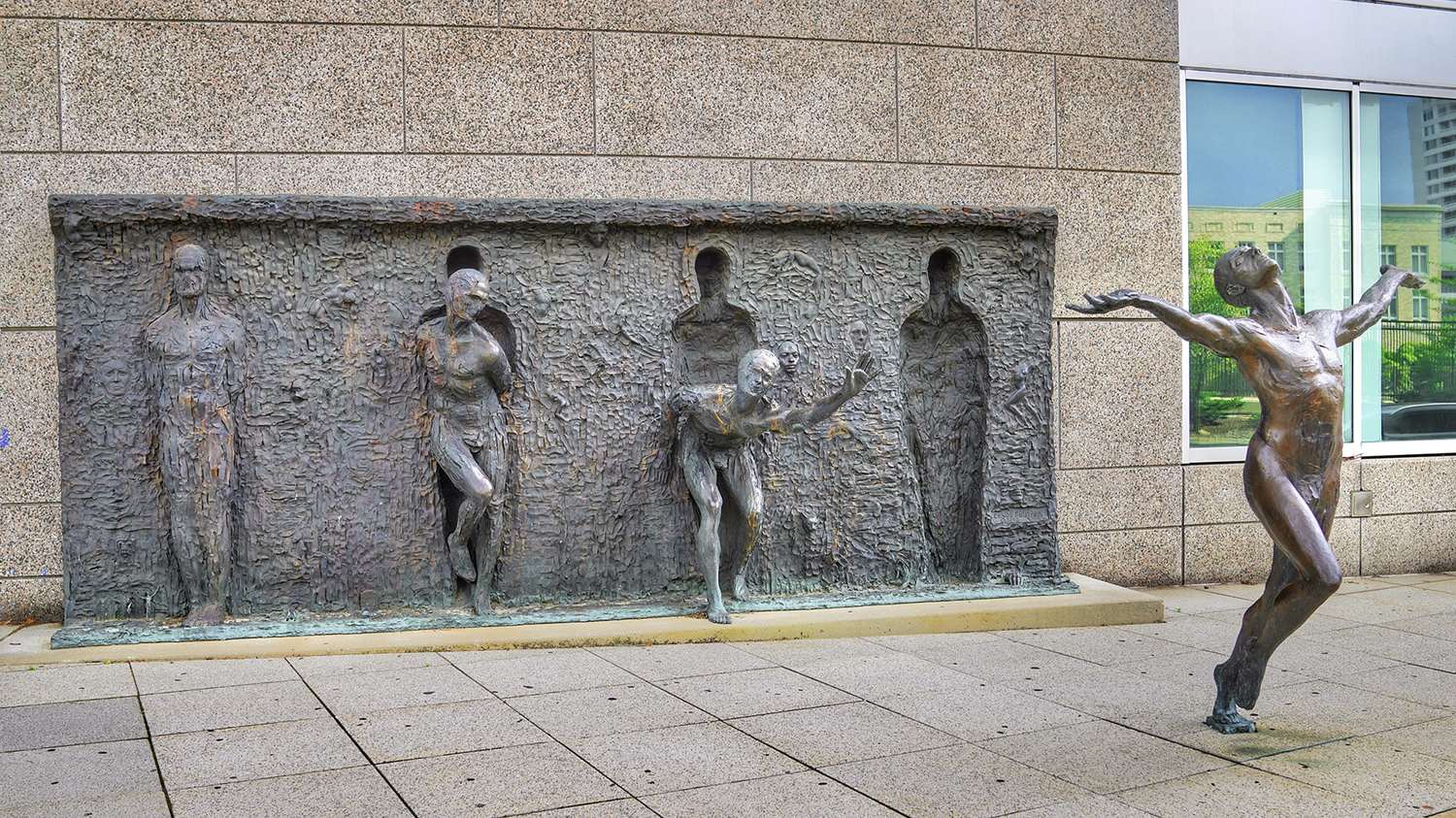
Without boundaries, relationships get confusing, and resentment grows when limits aren’t clear. With boundaries, communication improves. You show others how to love you by example, not by demand.
Boundaries don’t isolate you. They help you keep what’s genuine, mutual, and nourishing in your life.
The Fear of Setting Boundaries
Fear often stops people from setting boundaries. You might worry about being seen as cold, fear rejection, or fear losing people who benefited from your lack of boundaries.
The truth is, people who leave when you set boundaries weren’t there for the real you. They stayed for what you gave them, even if it cost you.
Boundaries might cost you relationships based on convenience, but they make relationships built on respect even stronger.
You may lose people who mistook your silence for agreement, but you’ll keep those who value your voice.
Boundaries and Presence: Expanding Through Self-Containment
Interestingly, the more you protect your energy, the more present you are.
When you stop spreading yourself thin by taking on other people’s problems, you regain focus. Your presence grows stronger. You’re no longer only partly involved in your life; you’re fully present.
Boundaries help you feel more present by keeping you connected to who you are. They give you a sense of control when things around you change. They help you stay grounded even when life is chaotic.
When you know your limits, you stop trying to fix things that aren’t yours to handle. You let go of control and choose clarity.
The Guilt Trap: Why Saying “No” Feels Wrong
If you learned to connect love with self-sacrifice, saying “no” can feel wrong or even risky. You might worry people will leave, feel disappointed, or think you’re selfish.
But guilt isn’t the truth; it’s just old conditioning. It’s the leftover feeling from being praised for always going along.
Changing this pattern takes practice. Start with small steps. Say no to one thing you can’t handle. Don’t explain yourself. Sit without any discomfort. Over time, guilt will fade and peace will take its place.
Every time you say “no” to something that drains you, you’re saying “yes” to your own well-being.
Personal Empowerment: The Strength to Choose Yourself
Boundaries are self-empowerment in motion. They remind you that your peace is not negotiable.

Choosing yourself doesn’t mean you’re leaving others behind. You’re showing what it means to be whole. You teach others that self-respect and love can go together.
Empowerment isn’t about control; it’s about clarity. It means knowing your limits, respecting your energy, and speaking from a position of strength instead of resentment.
You’re less likely to be manipulated because you’re not looking for approval. You feel calmer because your choices come from what matters to you, not from guilt.
Empowerment feels calm, not stubborn.
If choosing alignment over approval and living by your own truth speaks to you, these themes are explored more deeply in The Unfollowed Path, a grounded guide to breaking free from inherited narratives and creating a life that feels honest, sovereign, and fully your own.
How to Set Boundaries Without Building Walls
Begin with self-awareness. Notice what drains you and what restores you. You can’t protect what you don’t understand.
Communicate clearly. If you don’t set your boundaries, you can’t enforce them. Speak your truth calmly and directly.
Be consistent. People notice what you do, not just what you say.
Expect some pushback. Growth often changes old patterns. Stay firm.
Celebrate small victories. Every time you keep a boundary, you build more trust in yourself.
The goal isn’t to separate from others. It’s to stay connected without losing yourself.
Boundaries aren’t about closing yourself off. They help you make room for what really matters.
When you stop doing too much, you stop feeling resentful. When you stop taking on everyone else’s chaos, you start feeling calm. That’s how peace grows steady and protected from within.
Protecting your peace doesn’t mean you’re hard to reach. It means you’re easy to respect.
So set your boundaries. Speak honestly. Protect your energy as something sacred, because it truly is.
Your boundaries don’t make your world smaller. They shape it. Inside those limits, your presence can grow without end.

If you’d like to dive deeper into mindset, resilience, and self-development, you can explore our full collection of books and bundles on the Ebooks Overview page.