
Design a Life That Feels Right Instead of Heavy
Many people only notice they’ve built a life that doesn’t fit them once they feel completely worn out.
It’s not that everything is falling apart. Nothing dramatic has happened. On the surface, everything seems fine. You have steady work, pay your bills, and life goes on as expected.
But something inside feels heavy.
It’s similar to wearing shoes that are just a bit too tight. You can get through your day, but by evening, something hurts, and you don’t know why. You keep trying to fix it, hoping the discomfort will go away, but it usually doesn’t.
That quiet heaviness isn’t because you’re lazy or ungrateful. Most of the time, it’s something simpler and more honest.
It’s misalignment.
Your life might look good on paper, but it no longer feels like it belongs to you.
The good news is you don’t have to start over completely. Designing your life isn’t about making huge changes. It’s about making small, thoughtful adjustments that help you realign with what truly matters to you.
And that process starts with paying attention.
When Life Starts Feeling Heavy
Heaviness rarely arrives with a big announcement.
It creeps in quietly.
You wake up tired, even after sleeping well. Work that once excited you now feels routine. You go through your day as usual, but inside, you feel disconnected.
Your calendar is full of obligations, but the things that really matter always seem to get pushed aside for later.

Most advice about stress management focuses on surface-level solutions. People suggest meditating, sleeping more, exercising, or taking breaks. These things do help and are important.
But sometimes the real problem isn’t stress.
Sometimes the real problem is misalignment.
You put most of your energy into things that no longer reflect who you are. The job you once needed now leaves you drained. Old habits don’t help anymore, and some expectations you carry may not even be yours.
Your body notices before your mind does.
You feel that Sunday night dread before the workweek. There’s a sense of irritability you can’t explain, and a quiet exhaustion that lingers even on your days off.
Your system is trying to tell you something.
Something about your current way of living just doesn’t fit anymore.
And the first step toward changing it is simple.
Admit it.
You don’t need to be dramatic or feel guilty. Just be honest with yourself.
Something feels off.
Simply realizing this is the first step toward designing a life that fits you.
Life Alignment Is Not a One-Time Decision
A lot of people believe life alignment is something you achieve once.
You might think that if you choose the right career, find the right partner, and create the perfect routine, everything will stay balanced forever.
Real life doesn’t work that way.
Staying aligned in life is more like keeping good posture.
You sit up straight for a while, but then you get distracted and start to slouch again. When you notice, you adjust your posture.
That’s normal.
As you grow, your priorities and values change. The life that worked for you five years ago might not suit who you are now.
Drifting happens for real reasons.
You might take a job for stability, and then years go by. You stick with routines because they’re familiar. You keep agreeing to things that once made sense, even if they don’t anymore.
That doesn’t make you weak.
It makes you human.
But there’s something important to understand here.
The cost of staying misaligned is far greater than the discomfort of making adjustments.
Living a life that doesn’t feel like your own slowly drains your energy. It can lead to quiet resentment and make even small tasks feel harder than they should.
As soon as you start making changes to realign your life, you’ll notice your energy begins to shift.
Mindful Living Changes Everything
Mindful living is one of the most effective ways to redesign your life.
Unfortunately, the idea of mindful living has become trendy. People often picture expensive retreats, peaceful mornings with special teas, or long meditation sessions in stylish apartments.
But mindful living is actually much simpler than that.
It means paying attention.
It means noticing your real experiences instead of just rushing through life on autopilot.
Notice what drains you.
Notice what restores you.
Pay attention to which conversations give you energy and which ones leave you feeling drained. Notice the parts of your day where you feel present, and those where you’re just getting by.
This awareness creates the foundation for personal clarity.
Without it, you can’t redesign anything.

Many people stay stuck because they don’t take time to look at their own lives. They keep following the same routines and habits without asking if those patterns still work for them.
Try something simple.
Try spending a week quietly observing your life, almost like a researcher.
Pay attention to your energy during the day. Notice what boosts your mood and what brings it down. See which moments make you feel alive and which ones seem to drag on.
You don’t need to change anything yet.
Just notice.
Just being aware of these things can often show you exactly where you feel out of alignment.
Personal Clarity Comes Before Big Changes
A lot of people try to make big life changes before they really understand what they want.
They might change careers, move to a new city, or rearrange their routines, hoping these changes will fix everything.
Sometimes it helps.
Often, the same problems follow them.
This happens because the real problem isn’t the environment. It’s not knowing what you truly want.
Personal clarity means understanding what truly matters to you.
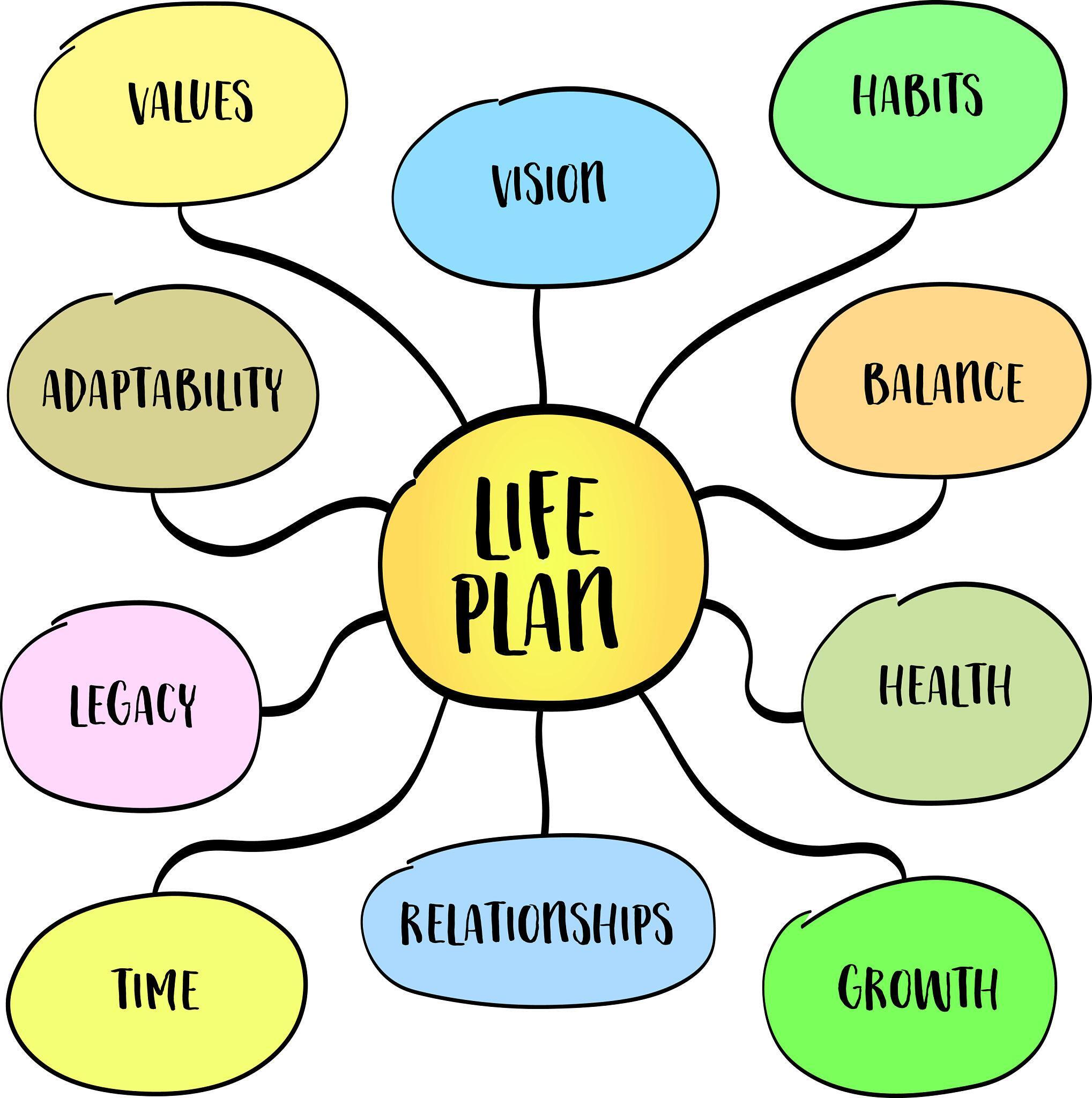
It’s not about what looks impressive, what others expect, or what society calls success.
What genuinely feels meaningful to you.
For some, it’s creative freedom. For others, it might be financial stability, close relationships, making a difference, or having flexibility in life.
There is no universal answer.
But you need to find your own answer.
A useful question to reflect on is this:
If your life looked the same on the outside but felt completely different inside, what would be different?
Would you spend more time creating? Less time seeking approval? More time with family? More time alone to think and reflect?
Your answers point toward your internal compass.
Once you know what matters most, making decisions becomes clearer. They may not be easier, but they are clearer.
You start to look at new opportunities by asking yourself a simple question.
Does this move my life toward what matters to me or away from it?
Asking yourself that one question can change the direction of your life.
How to Start Designing a Life That Feels Right
The practical part of designing your life is actually quite simple.
Start with your time.
Take an honest look at how your week is set up. Many people are surprised when they really look at their calendars. There’s often a big gap between the life they want and the one their schedule shows.

Next, evaluate your energy.
Some people give you energy. Some places inspire you. Certain activities help you feel focused and creative again.
Others drain you.
Your energy is one of the best signals you have. It shows you where you’re aligned much faster than logic can.
Then review your commitments.
Some commitments match your values. Others are just leftovers from your past. You might still be holding onto roles or responsibilities that made sense before but don’t fit your life now.
You don’t have to destroy everything overnight.
Real-life design comes from making small, steady changes over time.
Say no to something that drains you.
Say yes to something that excites you.
Have the conversation you’ve been avoiding.
Set aside thirty minutes for something that reminds you of who you are beyond your responsibilities.
Making small decisions again and again leads to big changes.
If this idea of letting go and focusing only on what truly matters resonates with you, there’s a deeper way to apply it in real life.
👉 This bookWhen the Problems Just Disappearshows how to stop carrying problems that were never yours in the first place—and how some of them quietly disappear when you shift your thinking.
The Life You Want May Already Be Within Reach
Many people think that creating a fulfilling life means making huge changes.
It rarely does.
But more often, it just takes honesty.
It means being willing to look at your life and admit that some parts fit and others don’t. It takes courage to question routines that once worked but now feel burdensome.
People who seem grounded and peaceful didn’t just get lucky with perfect circumstances.
They simply started paying attention to their lives sooner.
They noticed what worked for them, stopped following someone else’s plan, and made small changes until their lives matched their values better.
You can do the same.
Not perfectly. Not instantly.
But gradually.
One honest observation. One thoughtful decision. One small shift at a time.
A life that feels right, not heavy, isn’t just a distant dream for a lucky few.
It comes from being consistently aware, reflecting honestly, and making intentional choices.
In short, it’s something you practice over time.
And anyone who’s willing to start can practice it.

If you’d like to dive deeper into mindset, resilience, and self-development, you can explore our full collection of books and bundles on the Ebooks Overview page.