
5 Mindset Shifts That Make Life's Problems Fade Away
Life doesn’t get easier. You just get better at carrying it.
That line isn’t just a catchy phrase. It comes from real life. From those nights when you lie awake at 2 a.m., thinking about everything that went wrong. From the times you sit in your car after work, hands on the wheel, taking a breath before going inside because you’re already exhausted.
Everyone faces moments like these. Life piles things on: work pressure, relationship tension, money worries, expectations, decisions, and noise from all sides.
But at some point, things start to change.
You start to realize the problem itself isn’t always the hardest part. Sometimes, it’s how you think about the problem that feels heavy.
That’s where mindset shifts come in.
These changes in thinking don’t make problems disappear. Bills still come. Deadlines are still there. People still let you down. But when your mindset shifts, the emotional weight of those problems starts to ease.
You gain emotional clarity, set healthy boundaries, and slowly begin to feel something many people spend their lives searching for.
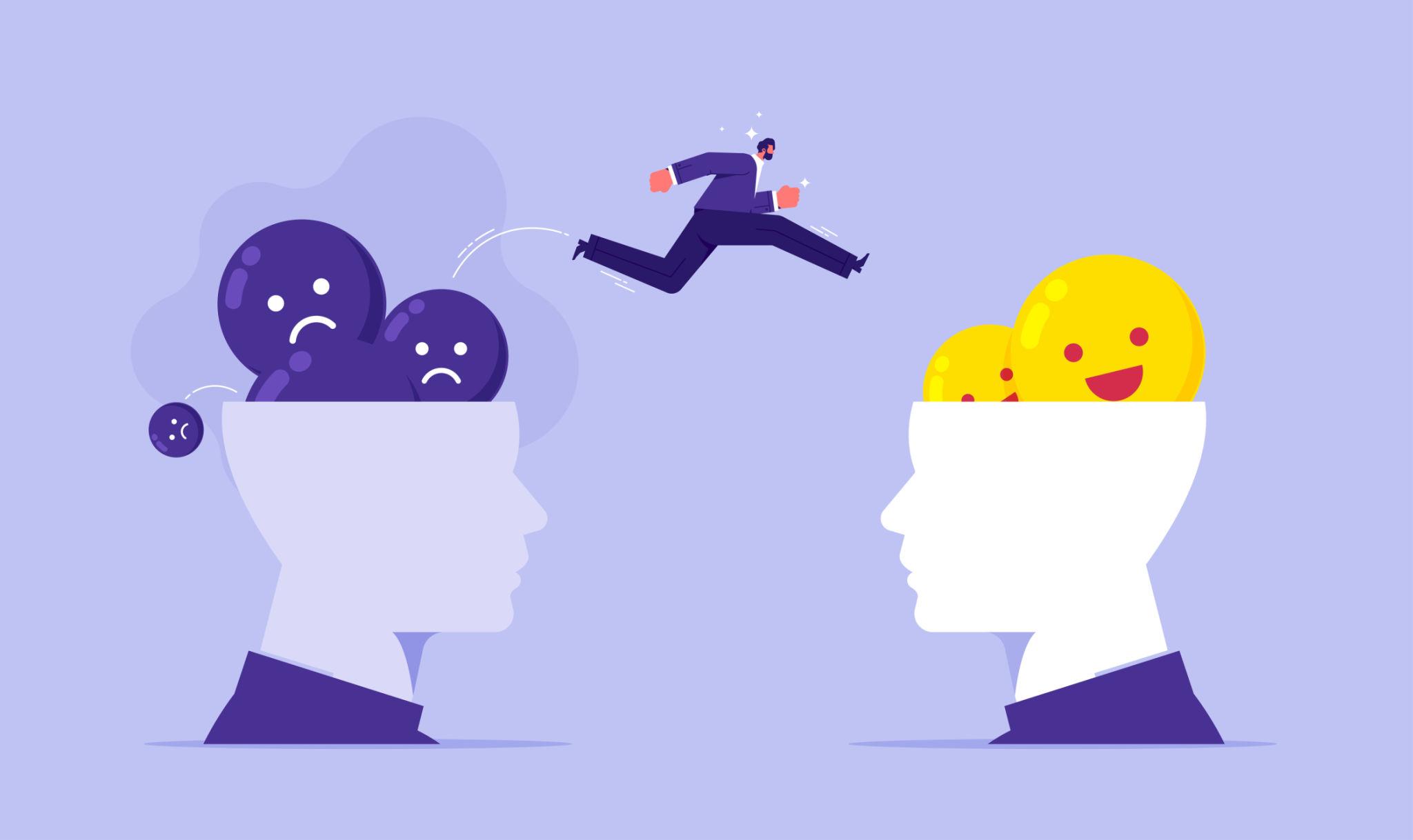
A quiet sense of inner peace.
These five mindset shifts won’t make life perfect. Nothing can.
But they can make life feel much lighter.
1. Stop Taking Every Problem Personally
One of the most tiring habits is taking everything personally.
Your boss sends a short email, and suddenly you think you’re in trouble. A friend doesn’t text back, and your mind jumps straight to “Did I do something wrong?” Someone cuts you off in traffic, and your mood is ruined for the next hour.
But here’s something most people learn as they grow.
Most things that happen in life are not about you.
The world is messy. People are distracted. Stress makes people impatient. Deadlines make people short-tempered. Life moves fast, and sometimes things collide.
But your mind looks for meaning. It fills in the blanks with stories.

Your coworker is quiet in a meeting. The story becomes “They’re upset with me.”
Your partner seems distant. The story becomes “I must have done something wrong.”
Most of the time, those stories are completely invented.
Learning to tell the difference between what really happened and the story your mind creates is one of the most powerful mindset shifts you can make.
The next time something goes wrong, take a moment to pause.
Ask yourself a simple question:
“What actually happened here?”
Not what it means. Not what it says about you.
Just the facts.
You might be surprised how often the answer is simple. Something happened, and that’s all. There’s no hidden attack or personal message from the universe.
When you stop taking everything personally, problems stop feeling like emotional threats.
They become situations you can manage.
And that alone brings a lot of stress relief.
2. Healthy Boundaries Are Not Selfish
Many people live without healthy boundaries and then wonder why they always feel tired.
They say yes when they want to say no. They answer work messages late at night. They take on responsibilities that were never theirs in the first place.
They wear themselves out trying to keep everyone else comfortable.
Eventually, something inside them snaps.
Resentment grows. Energy fades. Even loved ones start to feel like obligations.
The truth is simple.
You can’t keep giving if your own cup is empty.
Healthy boundaries aren’t about shutting people out. They’re about protecting the energy you need to live well.
A boundary simply says:
“This is what I can give. This is where I stop.”
That could mean turning off work notifications at night, saying no to invitations when you’re overwhelmed, or refusing favors for someone who never supports you.
The shift happens when you stop thinking:
“I don’t want to seem difficult.”
And start thinking:
“I know what I need to function.”
That change makes a big difference.
People without boundaries carry emotional weight that isn’t theirs. They take on everyone else’s problems while trying to manage their own lives.
But once you set healthy boundaries, something changes.
Life feels quieter.
Not because your responsibilities go away, but because you stop carrying what isn’t yours.
That quiet space becomes the foundation for real inner peace.
3. Emotional Clarity Changes Everything
Most people never learn how to handle their emotions.
They’re taught to ignore their feelings.
Push through it. Stay busy. Don’t think about it too much. Keep moving.
But ignored emotions don’t go away. They linger in the background, affecting your choices, reactions, and relationships.
That’s why emotional clarity is so powerful.
Emotional clarity just means being honest about what you feel.
Not the surface answer.
The real one.
Instead of saying “I’m stressed,” you might realize:
“I’m actually afraid of failing.”
Instead of saying “I’m angry,” you might realize:
“I feel disrespected, and that hurt me.”
Clearly naming your emotion changes how you relate to it.

When you don’t understand your feelings, they control how you act. When you see them clearly, you have space to choose how you respond.
Emotional clarity isn’t about staying stuck in negativity. It’s about noticing what’s really there so it doesn’t quietly shape your actions.
Think about how often arguments start because people react without understanding what they’re feeling.
Someone feels insecure but expresses it as anger. Someone feels ignored, but it comes out as criticism.
When you pause and ask yourself what you’re truly feeling, everything changes.
Instead of reacting impulsively, you respond thoughtfully.
That change alone can improve relationships, reduce conflict, and bring a lot of stress relief.
4. Inner Peace Is Built Daily
Many people treat inner peace like it’s a destination.
They think that one day, life will calm down, work will settle, money will get better, and responsibilities will shrink.
Then peace will arrive.
But life almost never works that way.
There’s always another responsibility, another challenge, or another decision waiting for you.
People who seem calm aren’t living easier lives. They’ve just built small habits that help them stay grounded.
A few minutes of silence in the morning.
A short walk without a phone.
A moment of deep breathing before responding to a stressful situation.
These small habits might seem unimportant, but over time, they change how your body reacts to stress.

Instead of getting caught up in every emotional storm, you learn to step back.
You pause before reacting and give yourself space to think clearly.
That space brings calm.
And calm helps you make better decisions.
Inner peace grows slowly through daily habits. It isn’t permanent. It’s something you keep practicing, over and over.
5. Stress Relief Comes When You Stop Trying to Control Everything
When life feels overwhelming, your first instinct is to try to control everything.
You start planning more, organizing more, and worrying more.
You think that if you can just manage every detail, everything will feel easier.
But real stress relief often comes from letting go of control.
Not completely giving up.
It’s about realizing that some things were never yours to control in the first place.
There’s a big difference between responsibility and control.
You are responsible for your effort, your choices, and your behavior.
You are not responsible for every outcome.
You cannot control other people’s decisions. You cannot control every future result. You cannot control every unexpected twist life throws at you.
When people try to control everything, they end up feeling anxious all the time.
But when they focus only on what they can change, their energy shifts.
A helpful habit is asking one simple question:
“What is actually within my control right now?”

Focus on that.
Take action where you can.
Let the rest unfold.
This change in mindset eases pressure right away. Instead of fighting reality, you work with it.
And that brings real, lasting stress relief.
If this idea of letting go and focusing only on what truly matters resonates with you, there’s a deeper way to apply it in real life.
👉 This book When the Problems Just Disappear shows how to stop carrying problems that were never yours in the first place—and how some of them quietly disappear when you shift your thinking.
The Honest Truth About Mindset Shifts
Mindset shifts don’t happen overnight.
They don’t happen just because you read an article or listen to a podcast.
They happen slowly, over time.
You start to notice your reactions. You catch negative thoughts sooner. You respond differently to things that used to overwhelm you.
At first, the changes seem small.
But those small changes add up.
One day, you notice that something that used to ruin your whole week barely affects you.
Someone might say you seem calmer, more grounded, or more confident.
That’s what real personal growth looks like.
It’s not a dramatic overnight change.
It’s a slowly growing relationship with yourself and the challenges life brings.
You still experience problems. Everyone does.
But they stop feeling impossible.
They become things you can handle.
And sometimes, when your mindset shifts even a little, problems that once felt overwhelming start to feel manageable.
Not gone.
Just lighter to carry.
And sometimes, feeling lighter is exactly what you need.

If you’d like to dive deeper into mindset, resilience, and self-development, you can explore our full collection of books and bundles on the Ebooks Overview page.